
Course Enquiry (discount)
I would like to book this course with a special discount of 3% (condition: you must book before November 23, 2022).
"*" indicates required fields


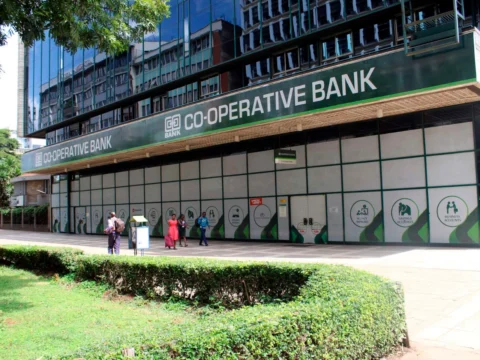
Img source: africa.businessinsider.com
Uganda’s economy has experienced fluctuations in its growth trajectory in recent years. According to the African Development Bank Group, the country’s Gross Domestic Product (GDP) expanded by 4.6% in 2023, a decrease from the 6.3% growth in 2022. This slowdown was attributed to several factors, such as global economic instability, geopolitical tensions, and regional conflicts. Despite strong performances in the mining, construction, and hospitality sectors, a tight fiscal policy contributed to the reduced economic growth during this period.
In contrast, the Uganda Bureau of Statistics reported a GDP growth of 6.1% for the fiscal year 2023/24, up from 5.3% in 2022/23. This growth was supported by favourable weather conditions, investments in the oil sector, and progress in implementing the Parish Development Model (PDM).
Change management helps organizations transition smoothly from current to desired states, minimizing disruptions and maximizing benefits. Organizations must be agile in a constantly evolving economy, and effective change management enables quick adaptation to market dynamics, technological advancements, and policy shifts.
A culture that embraces change encourages innovation, as employees feel empowered to propose and implement new ideas, driving continuous improvement. Structured change management helps identify potential risks associated with transitions and implements strategies to reduce them, guaranteeing long-term stability.
As in many societies, cultural norms and traditions are deeply ingrained in Uganda. These cultural elements can lead to resistance when new organizational changes are introduced, as individuals may hesitate to deviate from established practices. This resistance can start from something as easy as reluctance to adopt new processes or skepticism towards new management approaches.
A significant challenge in Uganda’s public and private sectors is the deficiency in technical skills necessary for implementing change. This gap hampers the effective adoption of new systems and processes, leading to suboptimal outcomes. There is a significant skills gap in Uganda. For instance, an estimated 67% of the population lacks the trade and technical skills needed for employment. These skills deficiencies in local governments have been identified as barriers to effective decentralization and policy implementation.
Effective change management requires strong leadership to guide and support the transition process. In Uganda, challenges arise when leaders are either not fully committed to the change initiatives or lack the necessary skills to lead such transformations. This inadequacy can result in poorly executed changes and reduce organizational performance. Weak performance management systems can also hinder the successful implementation of change. Issues such as inadequate performance metrics and lack of accountability have been noted, leading to ineffective monitoring and evaluation of change initiatives.
Limited financial and human resources are also one of the biggest challenges to implementing change management practices. Organizations that struggle to allocate sufficient budgets for training, technology upgrades, or hiring specialists or experts will lead to compromised or average change initiatives.
Effective communication is vital for successful change management. In Uganda, challenges such as language diversity and varying literacy levels can hinder the dissemination of information, leading to misunderstandings and resistance among stakeholders. For instance, learning in a non-native language, such as English, creates comprehension and academic challenges for many Ugandan students.
Political dynamics and bureaucratic inefficiencies can equally obstruct change initiatives. Policy implementation has faced challenges due to bureaucratic hurdles and political interference, affecting the overall effectiveness of change management efforts.
Employees may resist change due to fear of the unknown or perceived threats to job security. Without proper training and development programs, employees may also lack the skills to adapt to new systems or processes introduced during change initiatives. This insufficiency can lead to frustration, errors, and, ultimately, the failure of the change process.
Broader socio-economic challenges, such as poverty and limited access to education, can impact the readiness and ability of individuals and organizations to embrace change. These factors can lead to a less adaptable workforce and more resistance to change initiatives.
These challenges must be addressed comprehensively, including cultural sensitivity, capacity building, strong leadership, effective communication, and stakeholder engagement.
Before initiating any change, evaluating its potential impact and how prepared the organization is for such changes is essential. This involves assessing current processes, identifying areas that require change, and determining the organization’s capacity to implement these changes. These assessments will help design strategies that align with the organization’s capacity.
Developing a clear, realistic, and structured change management strategy provides a roadmap for the transition process. This strategy should outline objectives, key performance indicators, timelines, and resource allocation, ensuring all stakeholders clearly understand the change process.
Leadership is one of the most important factors when driving change. Active and visible support from top management solidifies the change efforts and motivates employees to embrace the transition. Leaders should communicate the vision, address concerns, and commit to the change process.
Utilizing established change management methodologies ensures a systematic approach to transition. Frameworks such as Prosci’s ADKAR model or Kotter’s 8-Step Process provide structured guidance on managing change effectively, from planning to execution
Involving employees directly affected by the change fosters a sense of ownership and reduces resistance. Their insights can provide valuable perspectives on potential challenges and practical solutions, enhancing and ensuring effectiveness during the transition.
Transparent and continuous communication is vital to keeping all stakeholders informed and engaged. Regular updates about the change process and its benefits and addressing concerns help build trust and minimize uncertainties.
Allocating specific resources, such as a dedicated change management team or external consultants, ensures focused attention to the change process. These resources bring expertise and facilitate smoother transitions.
When leaders and stakeholders understand Uganda’s political and economic climate, this can help inform more effective change management strategies. When these factors are considered, organizations can design targeted approaches that build on existing strengths and opportunities, which will increase the chance of positive impacts.
For initiatives like the Uganda Digital Acceleration Program (UDAP), it’s necessary to develop comprehensive change management, marketing, and public relations strategies. This includes conducting change-readiness assessments, developing roadmaps, and providing cost estimates for implementation.
Uganda’s economy has demonstrated resilience amidst global challenges, with key sectors such as energy, mining, agriculture, and ICT driving growth. However, effective change management is crucial to sustain and enhance this growth.
Additionally, Uganda’s economic outlook for 2025 is projected to include both opportunities and challenges. Strategic government policies and investments are expected to catalyze progress. Still, external risks, including geopolitical instability, global inflationary pressures, and climatic variability, will require careful management to safeguard the country’s growth trajectory.
As Uganda continues its journey toward economic transformation, embracing robust change management practices will be pivotal in navigating upcoming developments and challenges.
Uganda’s plans to commence operations of the world’s longest heated oil pipeline by 2027 underscore the need for meticulous change management. This multibillion-dollar project aims to transport oil from Uganda’s Kingfisher and Tilenga fields to Tanzania’s Tanga port, potentially transforming East Africa’s energy market.
However, the project faces criticism for potential environmental damage and displacement of communities. Effective change management will be essential to address these concerns, ensuring that the project proceeds smoothly while mitigating adverse impacts.
In conclusion, embracing effective change management practices is imperative for Uganda to navigate upcoming economic developments and challenges. By doing so, the country can sustain and enhance its economic growth, ensuring a prosperous future for all its citizens.
MORE FROM CEDAR AFRICA GROUP
Change Management Courses In Uganda
The Impact of Change Management on Business Growth in Africa: A Report by Cedar Africa Group
The Psychology of Change: How to Overcome Resistance in the Workplace










Get in touch!