
Course Enquiry (discount)
I would like to book this course with a special discount of 3% (condition: you must book before November 23, 2022).
"*" indicates required fields


In the past few years, diversity and inclusion have taken the corporate world by storm. With studies proving that diverse and inclusive organisations are more profitable, D&I initiatives have become a top priority for competitive companies and business leaders.
At the same time, employees are looking for clear indications that organisations not only have diverse hires but are also committed to fostering inclusivity.
But while D&I initiatives may sound intuitive, many hiring managers and CEOs underestimate how challenging implementing them can be. There are various barriers that make it difficult to achieve meaningful D&I results. Let’s take a close look at these barriers and how to overcome them.
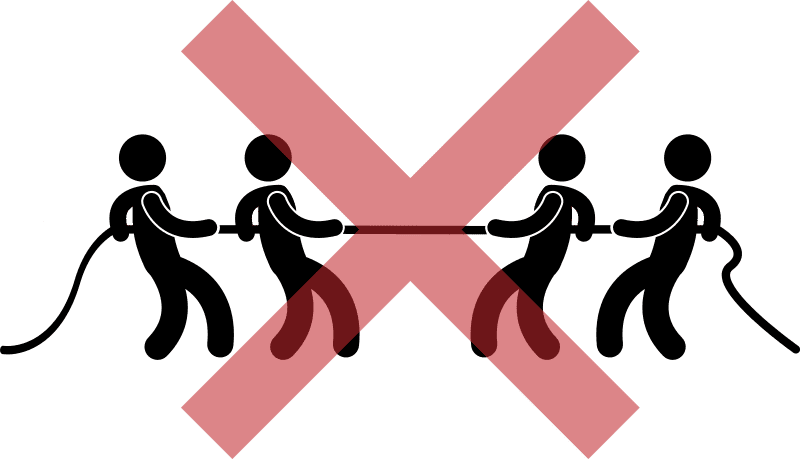
Like any other major organisational change efforts, diversity and inclusion initiatives are often met with internal resistance. That is because change can evoke fear of the unknown, mistrust, and psychological distress.
In some cases, employees might feel that focusing on diversity means sidelining a certain group in favour of another. For instance, men who’ve held positions of power may feel threatened by initiatives geared towards having more women in organisational leadership.
Resistance can particularly be an issue where D&I is seen as tangential to broader corporate goals. When some departments are left to push diversity and inclusion while others aren’t required to do the same, employees are unlikely to respond favourably.
A research conducted by Prosci found that mid-level managers were the most change-resistant group, followed by front-line employees. The study shared numerous ways employees can express resistance including lack of participation, openly expressing negative emotions about change initiatives, absenteeism, and decreased productivity.
To overcome internal resistance to diversity and inclusion initiatives, here are a few top strategies:
Also read: Tips for Building a Workplace Culture of Diversity and Inclusivity

Many harmful behaviours that undermine D&I efforts occur at an unconscious level—making them even more difficult to address. Unconscious prejudices may include unfair assumptions about the competency of an individual based on stereotypes about their gender, ethnicity, sexual orientation, socio-economic background, religious affiliation, and so on.
For example, when given a choice between two similar candidates, Yale researchers found that college faculty overwhelmingly preferred male candidates. They perceived the male candidates to be more competent and deserving of higher salaries.
Unchecked, these unconscious biases contribute to the perpetuation of an inequitable status quo in the organisation. Subsequently, they can permeate all aspects of organisational culture and have a detrimental effect on your D&I initiatives.
Here are a few practical steps for dealing with unconscious bias when implementing diversity and inclusion initiatives in your organisation:
Also read: How to Measure the Success of Organisational Diversity and Inclusion Initiatives

Managing diverse teams can be challenging—especially for managers who aren’t properly trained on how to capitalize on the diversity dividend. Without the necessary skills, diverse teams may not perform as well as homogenous teams.
In addition, organisations need to have D&I change leaders at different levels. These are people who act as change catalysts by inspiring and influencing their peers to embrace positive transformation.
To close the skill gap in implementing diversity and inclusion initiatives, organisations must invest in proper training. Specialised training equips business leaders and other members of your team with the knowledge and skills they need to implement D&I initiatives.
Here are some tips for having successful diversity and inclusion training:
Also read: Use Psychometrics to Grow Your Organisations Change Leaders
A heterogeneous workforce has been proven to boost innovation and effectiveness, leading to more profits. The barriers we’ve mentioned above are, however, likely to hinder the success of your D&I initiatives.
At Cedar Africa Group, we’re here to help your organization every step of the diversity and inclusion journey—from attracting and recruiting diverse talent to training change managers and agents. Cedar Africa Group is the centre for Prosci® and change management in East Africa.
Contact us and speak to one of our recruitment experts to get started.












Get in touch!