
Course Enquiry (discount)
I would like to book this course with a special discount of 3% (condition: you must book before November 23, 2022).
"*" indicates required fields

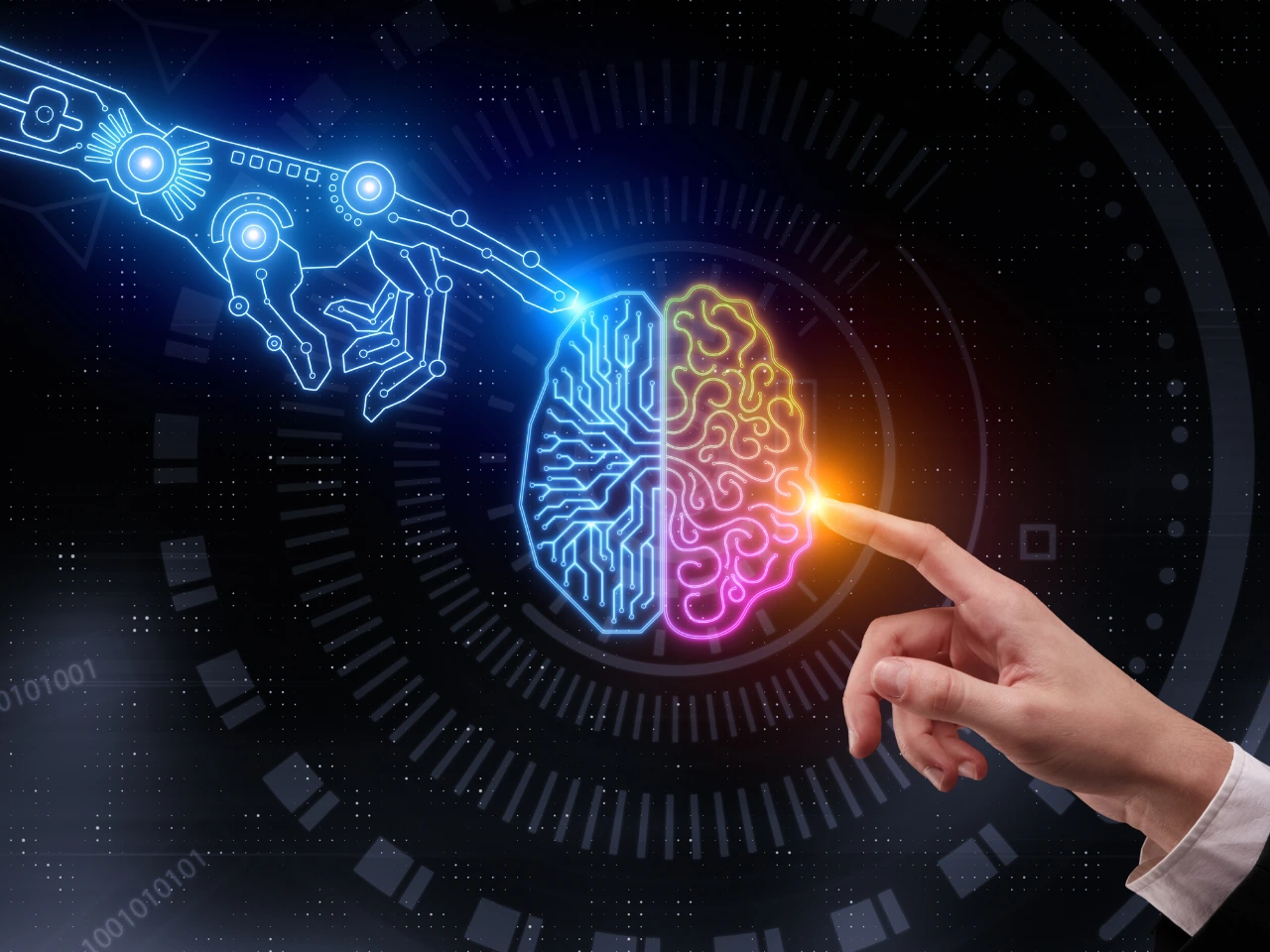
Talent Acquisition has evolved over the years and gone through major changes, from traditional newspaper ads, job boards, networking platforms, and communities to personal networks and referrals. And now, with the rise of Artificial Intelligence (AI) and Automation in recent years, the process has become more about finding innovative ways to make recruitment more efficient. This process impacts recruiters, job seekers, and organisations, and will reshape how talent is sourced, evaluated, and onboarded.
AI in recruitment is using artificial intelligence to automate and improve hiring. It helps with basic recruitment processes like finding candidates, reviewing resumes and initial tests to more complex processes like predicting successful candidates so recruiters can hire faster, make better decisions based on available data, and reduce potential biases. Automation involves using technology to handle repetitive tasks with human influence to streamline workflow and reduce manual effort.
There are AI-powered tools that can quickly analyse and screen hundreds of resumes to identify applicants that best meet the job requirements based on keywords, skills, and experiences using the Applicant Tracking System (ATS), a software that helps hiring departments manage the hiring process.
This helps to reduce the time on manual screening and allows them to focus on other aspects of their jobs. Additionally, AI can actively source passive candidates from several online platforms, expanding the talent pool and improving the quality of shortlisted candidates. Some of these tools include Workable, Manatal, and Humanly.
There are also AI-driven chatbots that engage with applicants in real time, responding to their questions and queries, providing application updates and scheduling interviews to improve the candidates’ experience.
Predictive Analytics analyze historical hiring data and trends to predict candidate success and retention rates to allow recruiters to make data-driven decisions. These predictive tools assess factors like cultural fit and engagement to help improve hiring processes and reduce time wasting.
The adoption of AI-powered tools in HR is increasing rapidly. According to reports by SHRM Labs, AI has been adopted by 35% to 45% of companies for recruitment purposes, and the AI recruitment market is projected to expand at a compound annual growth rate of 6.17% between 2023 and 2030.
And as AI’s economic impact approaches $16 trillion by 2030, its influence on recruitment is expected to increase. This trend is driven by several factors, including the increasing volume of applications, the need to improve the efficiency and effectiveness of the hiring process, and the desire to enhance the candidate experience.
A major advantage of AI and Automation is the increase in efficiency and speed. Tasks like screening resumes, scheduling interviews, and communicating with others can be repetitive. AI-powered tools can quickly sift through the resumes and identify the best matches, significantly reducing the time spent manually screening. Conversely, automated scheduling tools can coordinate interview times and send reminders and follow-ups, which gives the recruiters more time to focus on other tasks. Tools like Calendly, Skedpal, or Motion are highly rated tools that help streamline the hiring process and fill positions more effectively.
Unconscious bias, either by gender, race, age, or other factors, can impact hiring decisions. Based on research findings, Forbes reports that 48% of HR managers admit that bias plays a role in candidate selection. AI has the potential to limit biases by focusing on data and criteria. Algorithms can be trained to identify the skills and qualifications needed for the job and reduce subjective influences. While it’s true that AI can also be biased because they are trained on biased data, conscious design and monitoring can make AI a powerful tool to promote fair and more impartial hiring practices to make the selection merit-based.
Candidate experience has become important in today’s job market because it impacts your reputation as a brand. AI and Automation can play an essential role in enhancing the process. As previously mentioned, chatbots can help respond instantly to candidates’ queries and offer information about the role and the company. AI-driven assessments can give them insights into their capabilities and limitations. And personalized job recommendations can help them find roles that fit their skills well. These personalised experiences can create an engaging and positive experience for the candidate.
AI and Automation provide access to data that can be used to make more informed hiring decisions. Predictive analytics can analyze historical data to identify patterns and predict future hiring needs, employee performance, and attrition risks. This data-driven approach allows organisations to make more strategic decisions about workforce planning and talent acquisition. This allows for more accurate and effective candidate selection, leading to better hiring outcomes and a more engaged and productive workforce.
As much as AI has undoubtedly changed talent acquisition and streamlined the hiring process, several challenges and ethical considerations must be addressed as AI becomes ingrained in the recruitment culture and how these technologies should be used responsibly. Let’s address some below.
One of the most pressing concerns regarding AI in hiring is the potential for bias. AI systems rely on historical data to make decisions, and if the data used to train the algorithms is biased, the results can be as well. Making the AI system unintentionally replicate these biases. This phenomenon, known as algorithmic bias, can lead to discriminatory hiring practices that undermine diversity and inclusion efforts. To address this, companies must regularly audit and test their AI systems for bias. This involves using diverse training data and incorporating fairness metrics into the algorithm design. Additionally, involving diverse people in creating these AI systems can help identify potential issues before they impact hiring.
AI brings great efficiency to recruitment processes, but not without the risk of reducing human elements, which are necessary for building strong relationships with candidates. Automated systems can screen resumes or schedule interviews, but they lack the human touch and nuances needed for complete recruitment, like the soft skills needed for a successful hire. Reliance on AI might be too robotic and lack empathy.
The use of AI in hiring often involves processing large volumes of personal data. Candidates provide sensitive information such as resumes, employment history, contact details, and personal preferences. As AI tools collect, store, and analyze this data, it raises concerns about data privacy and security. In many cases, AI systems are hosted on cloud platforms or data centres, increasing the risk of data breaches or unauthorized access. If candidate data is not adequately secured, organisations could face legal consequences, damage to their reputation, and a loss of trust from candidates. To reduce these risks, companies must ensure their AI tools comply with relevant data protections like GDPR.
A common fear is about the rise of AI leading to job displacement: with automation handling tasks like resume screening, initial assessments, and interview scheduling. Some may wonder whether AI will ultimately replace recruiters. However, while AI can certainly handle repetitive tasks more efficiently than humans, it is unlikely to replace the need for human recruiters entirely. AI should be seen as an enhancement rather than a replacement. By automating time-consuming tasks, AI allows recruiters to focus on higher-value activities such as candidate engagement, decision-making, and strategic talent planning.
Emerging trends such as AI-driven video interviews, gamification, and skills-based hiring will likely reshape how organisations identify and engage talent. Additionally, augmented AI will play an important role in assisting recruiters rather than replacing them. Let’s discuss some:
AI-driven video interviews are becoming a standard practice in modern recruitment. These platforms use AI to assess candidates’ verbal and non-verbal cues and provide insights into their communication skills and cultural fit. With these initial automated processes, AI allows recruiters to focus on more strategic aspects of hiring. However, it’s important to balance AI assessments with human judgment for a better comprehensive evaluation of candidates.
Gamification introduces game-like elements into the recruitment process to evaluate candidates’ problem-solving abilities, creativity, and adaptability. When candidates are engaged in simulations and challenges; employers can have better insights into their skills and how they fit in the organisation.
The shift towards skills-based hiring focuses on candidates’ competencies rather than traditional qualifications. AI facilitates this approach by analyzing candidates’ skills through assessments and matching them with job requirements. This method promotes diversity and inclusivity by opening opportunities to a broader talent pool, emphasizing what candidates can do over their educational background or previous job titles.
Augmented AI is an AI system designed to assist and enhance human decision-making rather than replace it. In recruitment, augmented AI handles repetitive tasks such as resume screening and interview scheduling, allowing recruiters to focus on relationship-building and strategic planning. This collaboration between AI and human recruiters leads to more efficient and effective hiring processes, combining the strengths of both artificial intelligence and human influence.
Over the next five years, we expect to see greater integration of AI in talent acquisition, Which includes more sophisticated AI-powered matching algorithms, personalized candidate experiences, and the use of AI to predict employee success and retention. We will also likely see the development of more specialised AI tools for specific industries and roles. As AI technology advances, it will become integral to talent acquisition, transforming how organisations find, attract, and hire diverse talent.
To effectively integrate AI into recruitment, organisations should consider the following practices:
Evaluating AI-based recruitment software involves assessing the tool’s capabilities, scalability, and alignment with the organization’s needs. It’s important to select platforms that are transparent in their algorithms and have a proven track record of enhancing recruitment outcomes.
It is necessary to train HR professionals to understand and effectively work alongside AI. Providing training on AI tools and fostering a culture of continuous learning will help recruiters leverage technology to enhance their roles rather than feel threatened by it.
While AI can handle data-driven tasks efficiently, human intuition and empathy are irreplaceable in assessing cultural fit and building candidate relationships. Maintaining human oversight in decision-making processes ensures a fuller approach to hiring.
To detect and mitigate biases, continuous monitoring and auditing of AI systems are necessary. Ensuring compliance with ethical standards and legal regulations protects the organisation and its candidates, encouraging trust in AI-driven recruitment processes.
MORE FROM CEDAR AFRICA GROUP
15 Talent Acquisition Strategies to Attract Qualified Candidates
4 Things Gen Zs Value in the Workplace
Transformational vs. Transactional Leadership: Which Drives Business Success?












Get in touch!